

30 January 2026, HUB50 Utrecht
From repression to regulation — a sober look at production, distribution and consumption
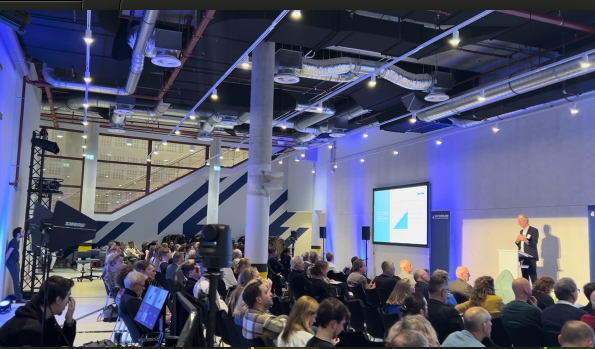
During the previous LEAP conference at Utrecht’s HUB50, it became increasingly clear: decades of repressive policies based on drug prohibition have not led to a safer or healthier Netherlands. On the contrary, organised crime, corruption and social disruption are partly the result of a policy that maintains criminal markets and does not sufficiently protect the most vulnerable in society.
The call for a more realistic and effective drug policy is therefore growing louder. But how do we move from repression to regulation — towards a system in which laws and regulations contribute to public health, the rule of law and safety? What would such a regulated system even look like? How do we become compliant throughout the drug supply chain: from production and distribution to consumption?
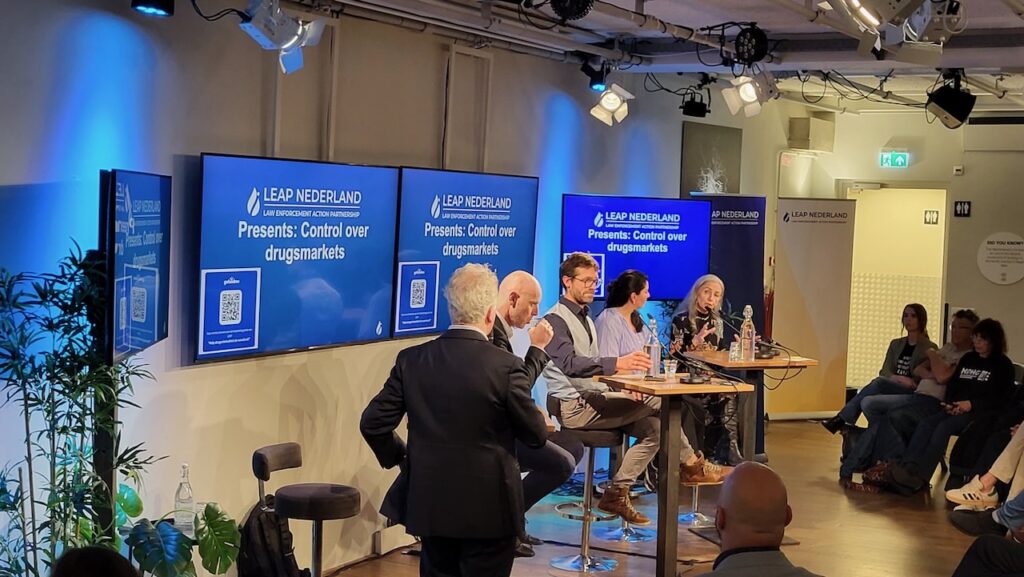
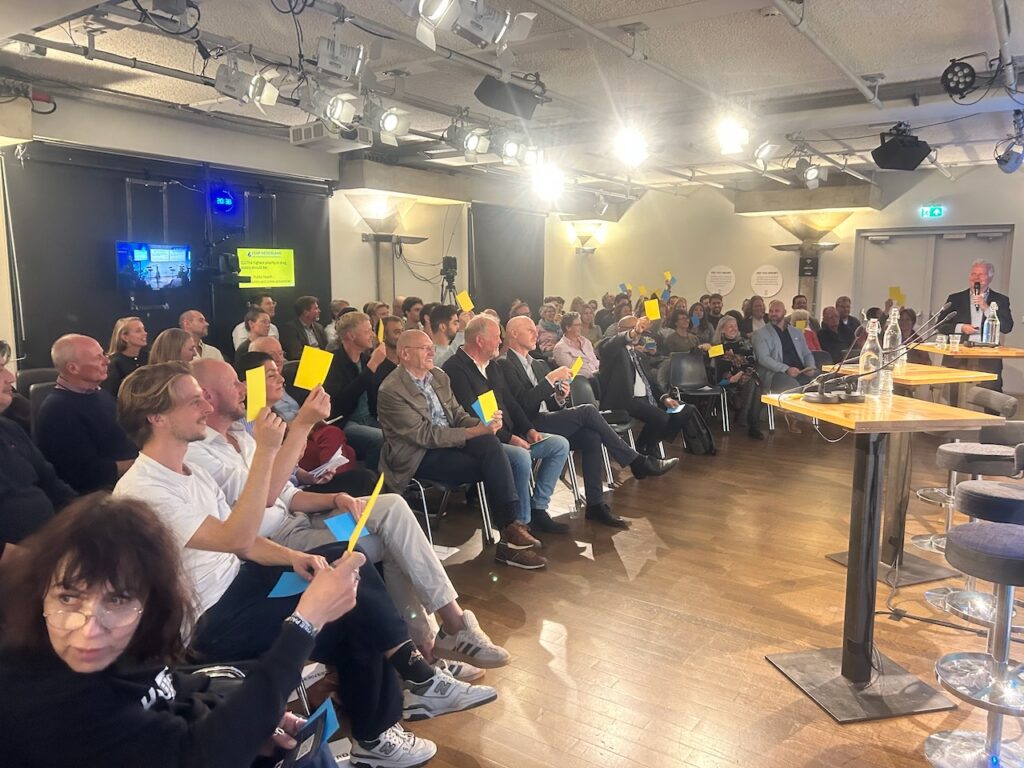
LEAP NL invites you to this follow-up conference, where together with experts we will explore the ‘how and what’ of scientifically regulated drug policy. Expect sharp analysis, compelling panel discussions, and join an open conversation about the future of (inter)national drug policy — sober, evidence-based and firmly grounded in reality.
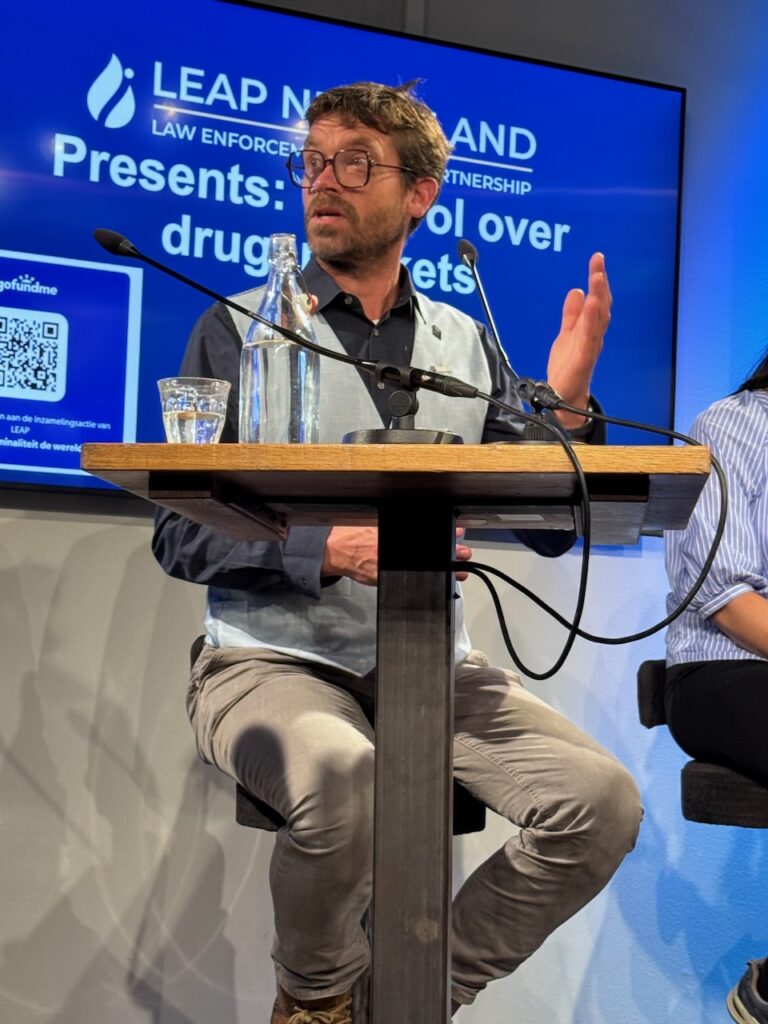

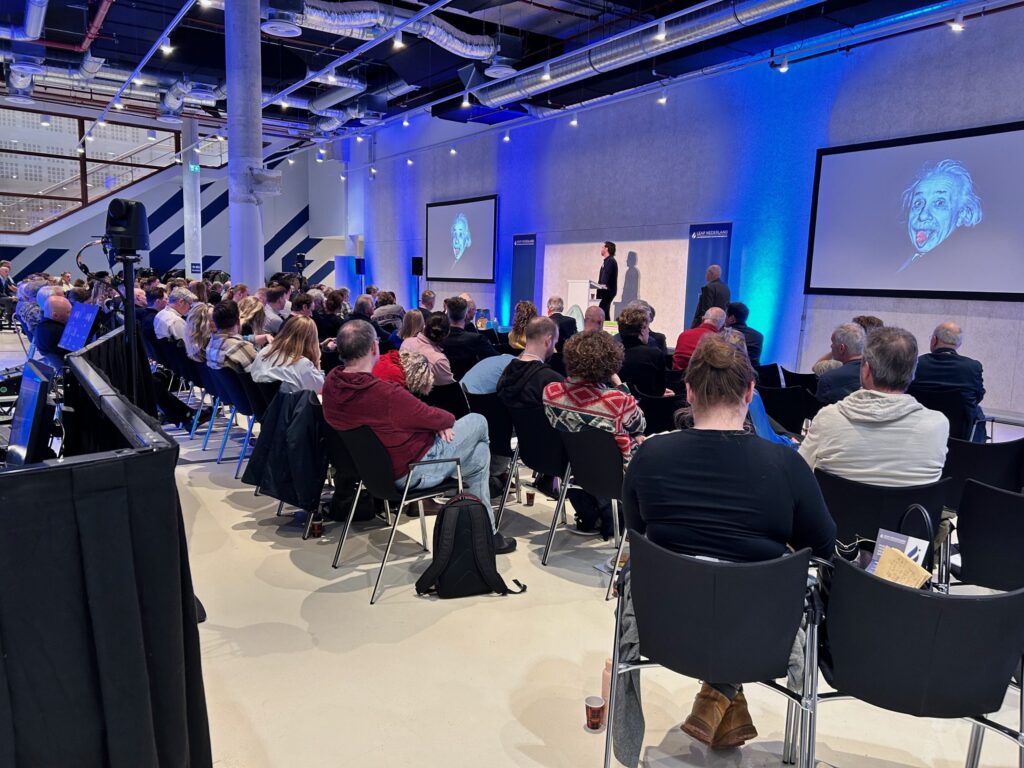
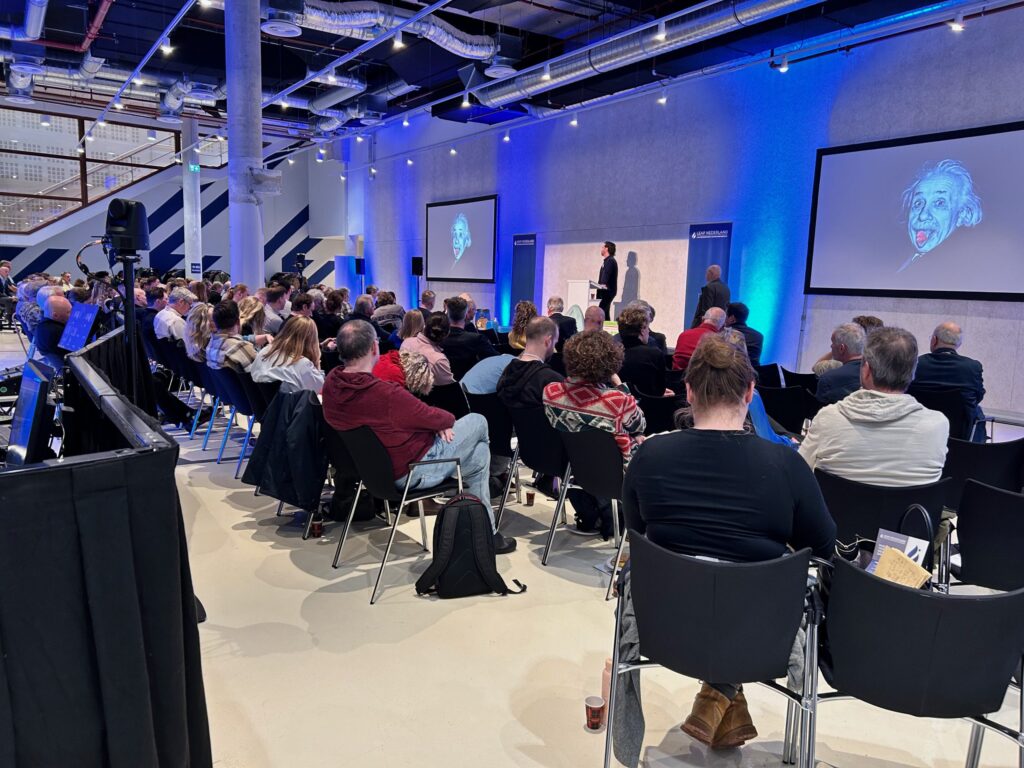
Programme:
(Not all speakers have been confirmed yet. Please keep an eye on this page for the final programme.)
Speakers
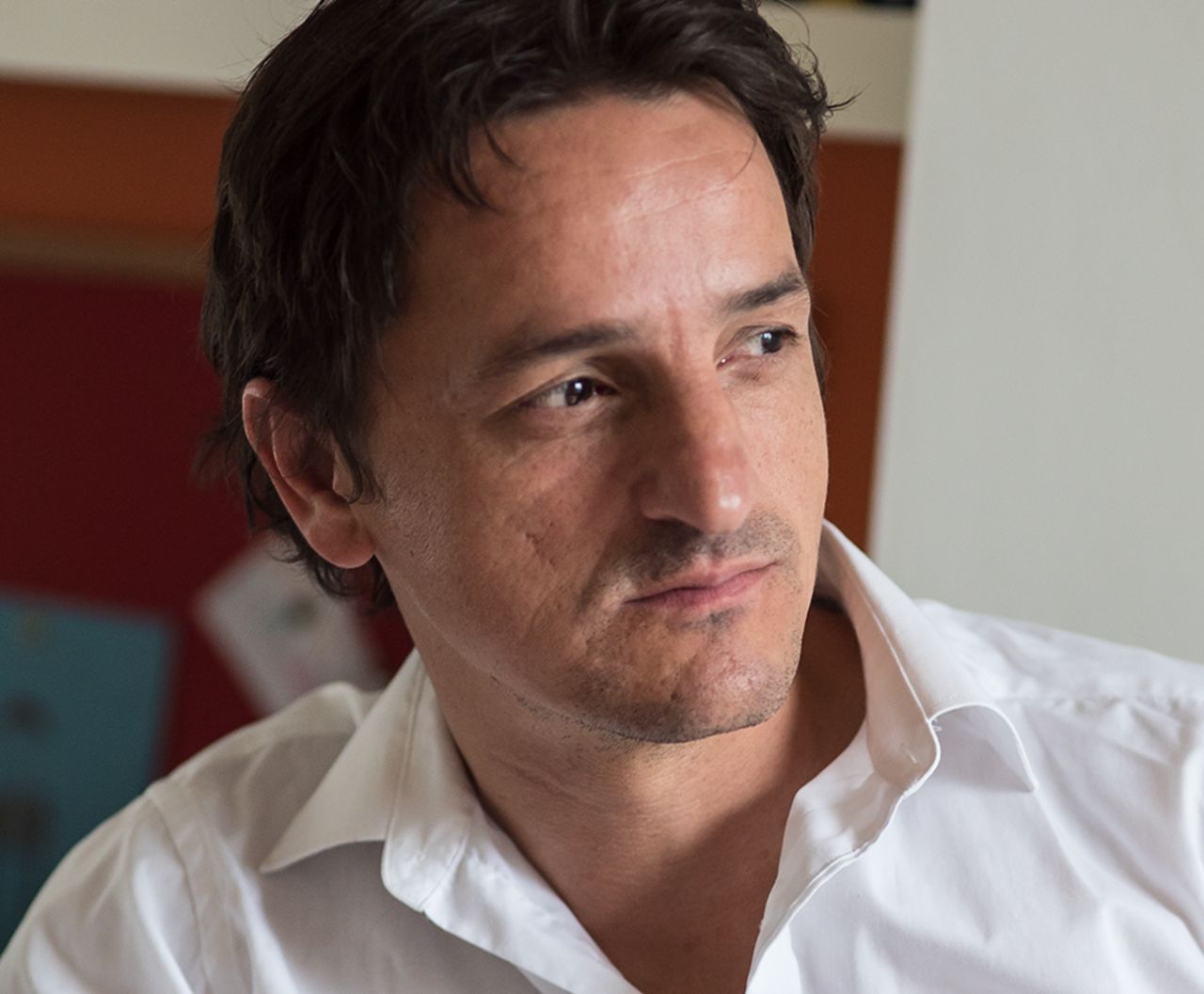
Steve Rolles
Senior Policy Analyst at Transform Drug Policy Foundation
Steve Rolles is a leading drug policy analyst and Senior Policy Analyst at Transform Drug Policy Foundation. He advised the government of Uruguay in setting up a strictly regulated cannabis model and works continuously on alternative drug policy strategies aimed at creating a safer framework for users and society. He is widely regarded as a key figure in the global movement for drug regulation.
Steve will discuss the book series “How to regulate…”. Following How to regulate Cannabis, Stimulants and Psychedelics, a new volume on Ketamine will soon follow, building on the handbook Blueprint for Regulation.

Masha Fedorova
Professor of International Criminal Law, Radboud University Nijmegen
Professor of International Criminal Law at Radboud University Nijmegen, Fedorova regularly publishes reports on drug policy. Her best-known works include the studies “International Law and Cannabis” Parts I and II, commissioned by the WODC and the Association of Dutch Municipalities (VNG).
These reports clarify the legal room for policy reform within international treaties, international law and human rights. She will outline with us the possible legal preconditions for a compliant drug supply chain.
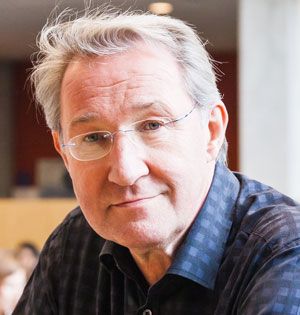
Wim van den Brink
Professor of Addiction Care, University of Amsterdam (emeritus)
As Professor of Addiction Care at the University of Amsterdam, Van den Brink received a Lifetime Achievement Award from the Dutch Association for Psychiatry. As an emeritus professor, he is internationally recognised as one of the most influential thinkers in addiction science.
As director of the AIAR, he helped lay the foundations for heroin-assisted treatment and the Closed Coffeeshop Chain Experiment. He will also discuss research into compliant MDMA distribution and medically supervised cocaine provision.

Simone van Breda
Chair, Bond of Cannabis Retailers (BCD)
Starting out as a strategic adviser on the Social Support Act (WMO), Simone later joined coffeeshop chain De Bulldog. With her expertise in social and policy issues, she rose to become chair of the BCD, representing 130 cannabis entrepreneurs.
She vigorously defends “her boys” as part of the solution to public order problems, in the interest of public health.

Gjalt-Jorn Peters
Associate Professor of Psychology, Open University
As Associate Professor of Psychology at the Open University, Peters specialises in drug use, risk behaviour, behaviour change and policy interventions. He is also an expert in methodological development and founded the MDMA Think Tank.
Other drug policy questions lend themselves well to his innovative, rational and scientific approach, which systematically quantifies weighting factors and sensitivity.

Ann Fordham
Executive Director, International Drug Policy Consortium (IDPC)
Ann Fordham is Executive Director of the International Drug Policy Consortium (IDPC), an international coalition of over 200 organisations advocating for evidence-based and human rights–oriented drug policy reform.
She works closely with a wide range of policymakers and serves on several strategic UN advisory bodies. She will share her experiences and expertise in the international drug policy landscape.

Jana Michailidu
Advisor on Addiction Policy, Czech Ministry of Justice; Assistant Professor (UCT Prague)
As an advisor on addiction policy for the Czech Ministry of Justice, Jana played a key role in drafting and advocating recent Czech bills regulating cannabis and so-called “psychomodulating” substances such as kratom and hemp.
Her work bridges science and politics. She aims to promote pragmatic and humane approaches to drug policy and highlights current possibilities within European treaties.

Gerben Wijnja
Policy Advisor, NXT Financial Crime (Dutch National Police)
Gerben Wijnja is a policy advisor at NXT Financial Crime of the Dutch National Police. NXT Financial Crime is an expert centre that, in close cooperation with partner organisations, combats crime from a financial-economic perspective, focusing on disrupting criminal business models.
NXT Financial Crime is part of the National Unit Expertise and Operations of the Dutch police. Previously, Gerben worked at the Netherlands Authority for the Financial Markets (AFM) in the department of Strategy, Policy and International Affairs.
From 2002 to 2007 he worked for various governmental and non-governmental organisations in Sri Lanka. Gerben started his career as a management consultant for banks and insurance companies and has an academic background in physics as well as a Bachelor of Science in Economics.
In addition to his substantive work, Gerben frequently acts as a presenter, moderator and chair at national and international conferences and events.
IMPORTANT: Valid ID is required upon entry.
The conference is interactive in nature and follows the Chatham House Rules: information may be shared freely, but it is not permitted to disclose who said what.
Thanks to the support of LEAP International, participation is free of charge. Coffee and lunch are included.
BOOK YOUR TICKET NOW BOOK YOUR TICKET NOWWe look forward to exploring the alternatives to current drug policy together with you.
